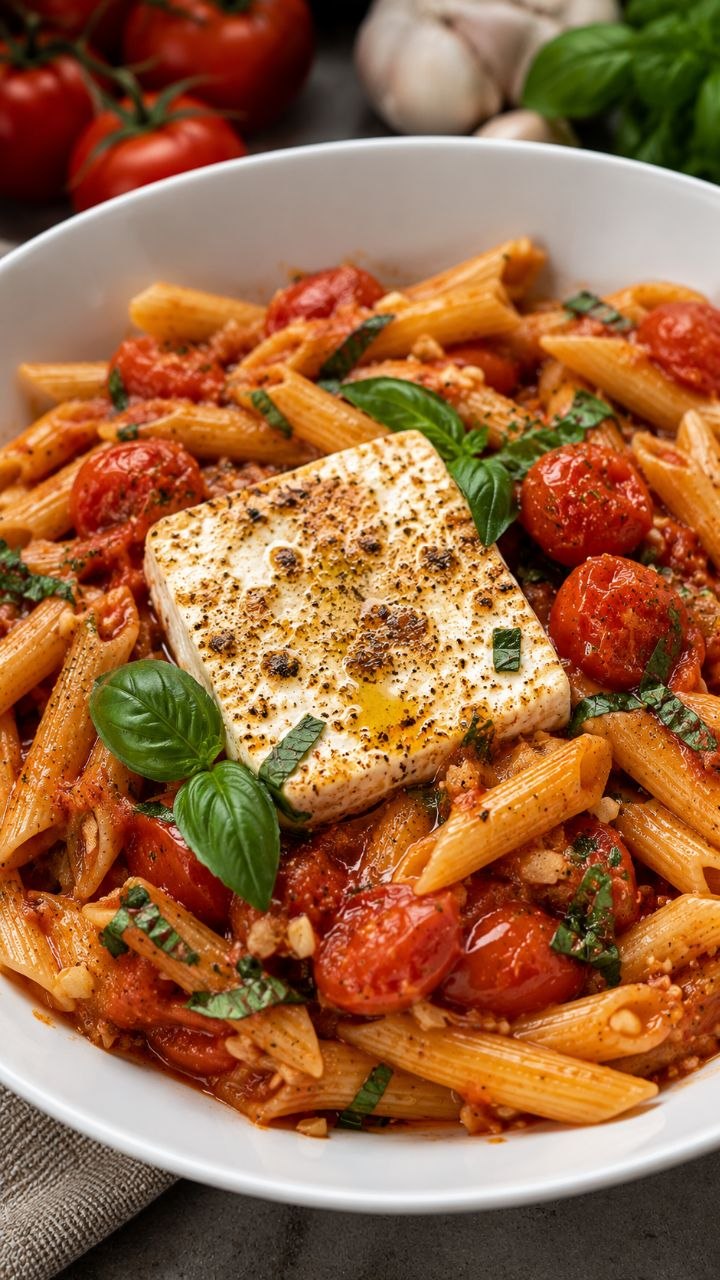
Baked Feta Tomato Pasta: 12 Perfect Secrets to End Boring Dinners
Baked feta tomato pasta has earned its place in our regular rotation, and not because it’s flashy or new. It’s the kind of dinner I turn to when the day’s been long, the sky’s already gone dark by late afternoon, and I want something warm and dependable without a sink full of dishes waiting after.
The first time I made baked feta tomato pasta, it was a grey Tuesday in late fall. The wind had picked up, the house felt a bit chilly, and everyone was circling the kitchen asking what was for supper. I had cherry tomatoes that were starting to soften, a block of feta from the fridge, and a half box of pasta in the cupboard. That was enough. Since then, it’s become one of those meals I can almost make with my eyes closed — steady, forgiving, and always satisfying.
This isn’t the internet-famous version with dramatic plating or fancy extras. This is baked feta tomato pasta the way it works in a real Canadian kitchen: hearty, budget-conscious, and designed to feed people properly.
The “Why It Works” Section
What I appreciate most about baked feta tomato pasta is how much it gives back for how little it asks. It’s affordable, filling, and it reheats better than you’d expect — which matters when you’re planning lunches for tomorrow at the same time you’re cooking supper tonight.
From a cost standpoint, this is a solid budget-friendly meal. Cherry tomatoes are often reasonably priced, especially if you buy larger containers or catch them on sale. Feta might seem like a splurge at first glance, but one block goes a long way when it’s baked and stirred through pasta. Pasta itself is one of the most economical staples you can keep on hand, and olive oil, garlic, and dried herbs are things most of us already have.
In terms of portions, baked feta tomato pasta is more filling than it looks. The combination of pasta and cheese carries real staying power, especially when you add a bit of protein or vegetables. I usually plan this as a hearty family dinner that comfortably feeds four, with enough left over for at least one lunch the next day.
It also adapts well to the seasons. In summer, when tomatoes are abundant and flavourful, the dish tastes bright and fresh. In winter, when we’re relying more on greenhouse tomatoes, the oven roasting brings out sweetness and depth that makes the whole thing feel comforting rather than lacking.
Most importantly, this is a no-fail dinner. It doesn’t demand perfect timing or precise measurements. If something goes a little off — and it often does on busy nights — it’s easy to fix.
Pantry & Fridge Reality (Ingredients)
I like to think of ingredients the way neighbours talk about them over the fence: practical, flexible, and based on what’s actually available.
For baked feta tomato pasta, you’ll need:
- Cherry or grape tomatoes: These roast beautifully and hold their shape. If all you have are regular tomatoes, chop them into chunks and scoop out some of the watery centres. Expect roughly $3–$4 for enough tomatoes to serve four, less if they’re on sale.
- Feta cheese: A standard block, about 200 grams. I usually buy plain feta, not flavoured. Greek-style feta holds up well, but domestic feta works fine and is often cheaper. If feta is pricey that week, look for store brands — they’re often just as good.
- Pasta: Short shapes like penne, rigatoni, or rotini are practical here. They catch the sauce without being fussy. I’ve made this with whatever was left in the box, even broken pieces, and it still worked.
- Olive oil: Nothing fancy required. Just enough to coat the tomatoes and help everything roast properly.
- Garlic: Fresh is best, but jarred minced garlic will do on a busy night.
- Dried herbs: Oregano and basil are my go-tos. Italian seasoning works too.
- Salt and pepper: Go lightly with salt at first — feta brings its own.
Optional add-ins, depending on what’s around:
- A handful of spinach or kale
- A bit of cooked chicken or sausage
- Red pepper flakes for warmth
Per serving, this usually comes in at a reasonable cost, especially if you’re feeding a family and planning leftovers. Buying pasta and olive oil in bulk at places like Costco helps keep the pantry stocked without constant grocery runs.
The Cooking Journey (Experience-Based)
I start by preheating the oven. I like it hot enough to roast properly — around 400°F — so the tomatoes blister and soften rather than just warm through. While the oven heats, I take a few minutes to rinse the tomatoes and pat them dry. Wet tomatoes tend to steam instead of roast, which is a small thing but makes a difference.
I spread the tomatoes into a baking dish that gives them room. Crowding them too tightly is one of the first mistakes I made with this recipe. When they’re piled on top of each other, they release too much liquid and you miss out on that roasted sweetness. If they’re snug but not stacked, you’re in good shape.
Next, I nestle the block of feta right in the middle of the tomatoes. There’s something comforting about that — everything gathering around the cheese. I drizzle olive oil over the whole dish, making sure the feta gets a good coating so it doesn’t dry out. Then I scatter over the garlic and herbs, with a few cracks of black pepper.
At this point, I don’t add salt. Early on, I made the mistake of salting generously and ended up with a dish that was too sharp once the feta melted in. It’s easier to adjust later.
The dish goes into the oven, uncovered. After about 20 minutes, you’ll start to hear a gentle sizzle. The smell changes too — sweet tomatoes, warm garlic, and that unmistakable richness from the feta. Around the 30-minute mark, I take a look. If the tomatoes have burst and the feta is soft and lightly golden on top, it’s ready. If not, I give it another 5–10 minutes.
While the tomatoes bake, I cook the pasta. I bring a big pot of water to a rolling boil and salt it well. Undersalting the pasta water is a common mistake, and it shows in the final dish. The pasta should taste good on its own before it ever meets the sauce.
Once the pasta is cooked, I reserve a mug of the cooking water before draining. I learned this the hard way after draining everything and realizing the sauce needed loosening. Pasta water is a quiet hero in the kitchen.
When the tomatoes and feta come out of the oven, the feta should be soft enough to mash easily with a spoon. I stir everything together right in the baking dish, pressing gently on the tomatoes to release their juices. If it looks too thick or tight, I add a splash of pasta water until it’s glossy and spoonable.
Then the pasta goes in. I fold it through carefully, making sure everything is coated. At this stage, I taste and adjust — a pinch of salt if needed, maybe a bit more pepper.
Real-Life Mistakes (and Fixes)
Over the years, I’ve made just about every mistake possible with baked feta tomato pasta:
- Scorching the bottom: This happens if the dish is too small or the oven runs hot. A quick stir halfway through baking helps, or use a larger dish next time.
- Watery sauce: Usually from overcrowded tomatoes or skipping the roasting time. Let it bake a bit longer and stir in less pasta water.
- Over-salted final dish: Often from salting early. Balance it with extra pasta or a handful of unsalted vegetables.
- Dry pasta: Forgetting to reserve pasta water. A splash of warm water or milk can help in a pinch.
- Bland flavour: Not enough garlic or herbs. A sprinkle of dried herbs at the end wakes it up.
- Cheese that won’t melt: Some very firm feta brands need a bit more oil and time. Cover loosely with foil for a few minutes to help it soften.
Feeding the Family & Leftover Logic
I serve baked feta tomato pasta straight from the baking dish, usually with a simple green salad or some frozen vegetables warmed through. For adults, a generous bowl does the trick. For kids, I find smaller portions with less visible tomato skins go over better.
Leftovers are one of the best parts of this meal. The flavours settle overnight, and it reheats well in the microwave or on the stove with a splash of water. I often pack it for lunch the next day, and it holds up without turning greasy or dry.
If there’s a larger amount left, I’ll sometimes stretch it by stirring in extra cooked pasta or turning it into a baked pasta casserole with a bit of milk and breadcrumbs on top.
Variations for Different Days
The Busy Day Version: Use pre-washed tomatoes, jarred garlic, and skip any extras. It’s still a hearty family dinner.
The Sunday Version: Add roasted vegetables like peppers or zucchini, and finish with fresh herbs if you have them.
Winter Boost: Stir in cooked sausage or lentils for extra warmth and protein.
Lighter Take: Add more vegetables and reduce the pasta slightly.
Dairy-Free Adaptation: Use a plant-based feta alternative and extra olive oil.
Common Questions (Neighbourly FAQ)
Can I use regular tomatoes? Yes, just chop and drain them well.
Does this freeze well? It’s best fresh, but it can be frozen if needed.
What pasta shape works best? Short, sturdy shapes.
Is this kid-friendly? Generally yes, especially with mild feta.
Can I add meat? Absolutely.
How long do leftovers last? About 3 days in the fridge.
Closing (Grounded Reassurance)
Baked feta tomato pasta keeps earning its place in our kitchen because it’s steady. It doesn’t ask much, and it delivers every time. On long weeks, when you need something you can trust, this is the kind of recipe that builds confidence rather than draining it.
Recipe Card
Baked Feta Tomato Pasta
Prep Time: 10 minutes
Cook Time: 40 minutes
Total Time: 50 minutes
Servings: 4
Calories: Approx. 550 per serving (varies with additions)
Ingredients
- 2 cups cherry tomatoes ($3–$4)
- 200 g feta cheese ($4–$6)
- 300 g short pasta ($1–$2)
- 3 tbsp olive oil
- 2 cloves garlic, minced
- 1 tsp dried oregano
- Black pepper to taste
Method
- Preheat oven to 400°F.
- Place tomatoes in a baking dish and add feta to the centre.
- Drizzle with olive oil, add garlic and herbs.
- Bake uncovered for 30–40 minutes.
- Cook pasta in salted water; reserve some water.
- Mash feta and tomatoes together.
- Stir in pasta, adding reserved water as needed.
- Season to taste and serve warm.