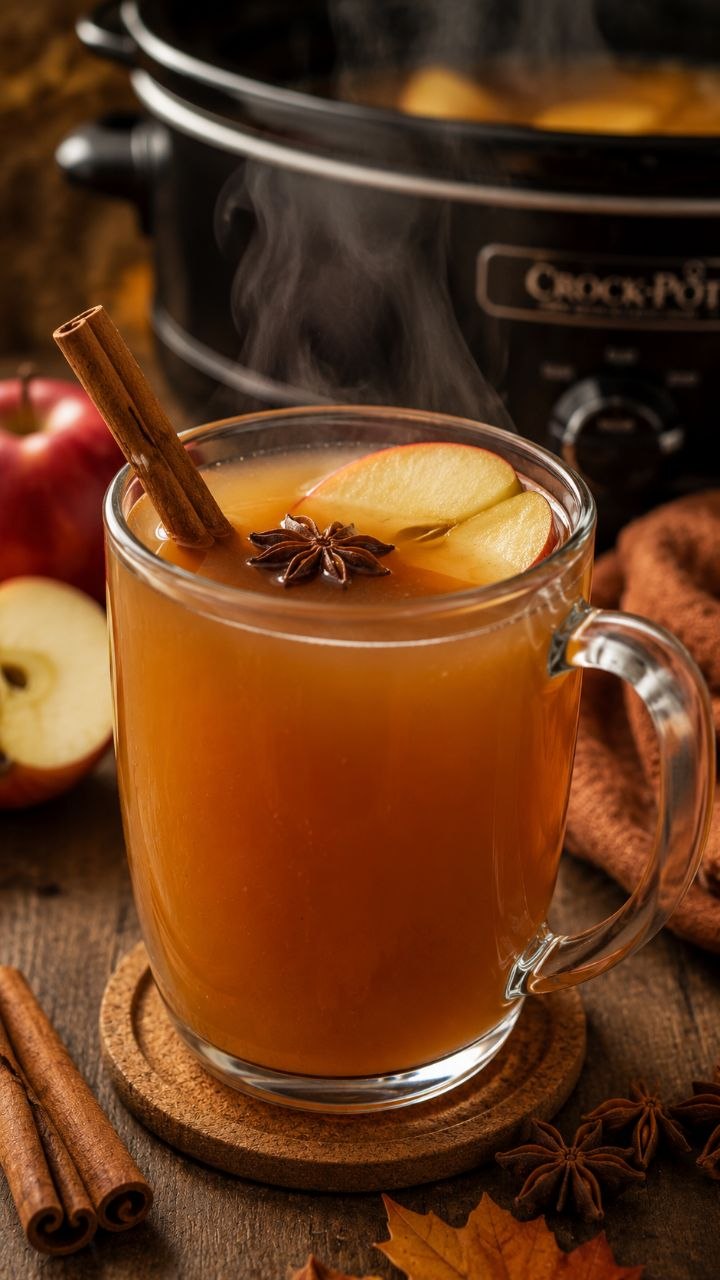
7 Best Ways to Make Warm Crockpot Apple Cider (Avoid Bitter Taste)
The Comfort Intro (Short & Sweet)
Crockpot apple cider is one of those things I come back to every fall and winter without even thinking about it. In our house, it’s less of a “recipe” and more of a seasonal habit. As soon as the weather turns damp and grey, and the days start closing in earlier than you’d like, the slow cooker comes out and the apples go in.
I usually make crockpot apple cider on a quiet weekday morning, often while watching the weather forecast and figuring out what the rest of the week will look like. It’s the kind of day where you’re already wearing a sweater indoors, even though the heat’s on. The house smells faintly of cinnamon by mid-morning, and by late afternoon it feels warmer than it actually is.
This crockpot apple cider has earned its place here because it’s simple, affordable, and generous. It makes enough to share, enough to sip all afternoon, and enough left over to warm up again the next day. It’s comforting without being fussy — the sort of easy comfort food Canada does well, especially when winter feels long.
Why It Works
What I like most about crockpot apple cider is that it’s forgiving. It doesn’t demand perfect apples or exact timing, and it doesn’t punish you if you get distracted by real life. That alone makes it a staple.
From a practical standpoint, it checks all the boxes:
It’s affordable.
Apples are one of the most budget-friendly fruits in Canada, especially in fall and early winter. I often buy a large bag when they’re on sale, knowing I’ll use them for lunches, baking, and cider. Spices like cinnamon sticks and cloves are pantry items that last a long time, and you only need a small amount. Per serving, crockpot apple cider usually comes in at well under a dollar, even with fresh apples.
It’s filling in its own way.
This isn’t a drink you gulp and forget. Warm apple cider has a weight to it — not heavy, but grounding. It’s satisfying after being outside, or as something to sip while making dinner. For kids, it feels like a treat without being sugary or over-the-top.
It reheats beautifully.
Crockpot apple cider might actually be better the second day. The flavours mellow and deepen overnight. I’ll often make it one afternoon, then reheat it gently the next evening when we need something warm after a long day.
It fits cold-weather living.
In a colder climate, anything that warms the house and the people in it is doing double duty. The slow cooker gently bubbling away all day adds heat, scent, and a sense of comfort that you can’t really rush.
From a portion standpoint, one full slow cooker usually gives us mugs for everyone plus extra for later. I plan on about one generous mug per person, with leftovers going into a mason jar in the fridge.
Pantry & Fridge Reality (Ingredients)
I don’t treat crockpot apple cider like a precious thing. I make it with what I have, and I adjust based on what the store has that week.
Apples
This is where most of the cost and flavour comes from. I usually use a mix, because that’s often what’s available or affordable.
- Budget-friendly picks: McIntosh, Spartan, Cortland
- For more sweetness: Gala, Fuji
- For balance: A couple of Granny Smith if they’re on sale
In reality, I buy what’s cheapest that week and work from there. Slightly bruised apples are fine — you’re cooking them down anyway. I plan on about 10–12 medium apples for a standard crockpot.
Cost note: Buying a large bag can bring the cost down to roughly $0.40–$0.60 per apple.
Sweetener
I usually use brown sugar because it’s already in my pantry and adds warmth. White sugar works too. Honey or maple syrup are lovely, but I tend to save those for when I really want to splurge.
If apples are very sweet, I sometimes use less sugar. You can always add more later.
Spices
Nothing fancy here.
- Cinnamon sticks are ideal, but ground cinnamon works in a pinch.
- Whole cloves add warmth, but they’re strong — a little goes a long way.
- Allspice berries if I have them, but not essential.
I keep these spices in the freezer so they last longer, especially cloves.
Citrus
One orange, sliced, peel and all. It adds brightness and keeps the cider from tasting flat. If oranges are expensive or unavailable, you can skip it — the cider will still be good, just a bit softer in flavour.
Water
Plain tap water. No need for apple juice or fancy liquids. The apples do the work.
The Cooking Journey (Experience-Based, Step-by-Step)
Getting Started: Prep Without Fuss
First, I start by giving the apples a good rinse. I don’t peel them — the skins add flavour and colour, and they’ll be strained out later anyway. I cut them into quarters, removing the cores as I go. This doesn’t have to be perfect. If a bit of core slips through, it’s not the end of the world.
I layer the apples directly into the crockpot. As I go, I tuck in the cinnamon sticks and scatter the cloves over top. Then I add the sliced orange. The colours alone make it feel like fall.
Once everything is in, I sprinkle the sugar over the top and pour in enough water to just cover the apples. You don’t want to drown them — too much water makes weak cider.
Slow Cooking: Letting Time Do the Work
I put the lid on and set the crockpot to low. This is important. High heat can make the cider taste harsh and slightly bitter. Low and slow keeps everything gentle.
Within an hour or two, the house starts to smell like apples and spice. There’s a quiet bubbling sound — not a boil, just a soft simmer. That’s what you want.
I let the cider cook for about 6–8 hours. Sometimes longer if I’m home all day. Over time, the apples soften and collapse, turning pale and mushy. The liquid deepens in colour, going from pale gold to a warm amber.
Common Mistakes (And How to Fix Them)
Over the years, I’ve made just about every mistake possible with crockpot apple cider. Here are the big ones:
- Scorching the bottom:
This usually happens if there’s not enough water or the crockpot runs hot. Fix it by adding more water early on and keeping the heat on low. - Over-spicing:
Too many cloves can overpower everything. If this happens, add more water and apples, or strain early and dilute. - Weak flavour:
Usually from too much water. Let it cook uncovered for the last hour, or add more apples and let it go longer. - Bitter taste:
Often from cooking on high. Lower the heat next time and shorten the cook if needed. - Too sweet:
Dilute with water or add a splash of lemon juice to balance. - Cloudy cider:
Not really a problem, but straining twice through a fine mesh helps if it bothers you.
Finishing Touches: Turning Apples into Cider
Once the apples are completely soft, I turn off the crockpot. Using a potato masher, I gently mash everything right in the pot. This releases the last bit of flavour.
Then I strain the liquid through a fine mesh sieve into a large bowl. Sometimes I line the sieve with cheesecloth if I want it extra clear, but that’s optional.
I taste and adjust — a bit more sugar if needed, or a splash of water if it’s too strong.
Feeding the Family & Leftover Logic
I serve crockpot apple cider warm, in sturdy mugs. For kids, I let it cool slightly and sometimes dilute it with a bit of hot water.
For gatherings, I leave it in the crockpot on warm with a ladle. It’s easy, and people help themselves.
Leftovers go into glass jars in the fridge and keep well for 4–5 days. To reheat, I warm it gently on the stove or in the microwave. Don’t boil it — that dulls the flavour.
You can also freeze it in containers, leaving space for expansion. It’s a gift to yourself on a cold night when you don’t want to cook.
Variations for Different Days
The Busy Day Version
Use pre-cut apples or apple slices from the freezer. Skip the orange. Still comforting, still good.
The Sunday Version
Add a split vanilla bean and let it cook all day. Strain carefully. This is the version I make for holidays.
The Less-Sugar Version
Rely on sweeter apples and cut the sugar in half. Good for everyday sipping.
The Spiced-Up Version
Add a small piece of fresh ginger for extra warmth.
The Adult Version
Add a splash of dark rum or bourbon to individual mugs — never the whole pot if kids are around.
Common Questions (Neighbourly FAQ)
Can I leave crockpot apple cider on overnight?
I wouldn’t. It’s best to cook it during the day, then refrigerate or keep on warm for serving.
Do I have to strain it?
Yes, unless you enjoy apple pulp in your mug. Straining makes it smoother.
Can I use ground spices instead of whole?
You can, but strain carefully. Whole spices are easier to manage.
How long does it last?
About 4–5 days in the fridge.
Can I double the recipe?
Only if your crockpot is big enough. Don’t overfill.
Is it safe for kids?
Absolutely. Just make sure it’s not too hot.
Closing (Grounded Reassurance)
Crockpot apple cider is one of those small, steady comforts that gets us through long weeks. It doesn’t demand attention, it doesn’t cost much, and it makes the house feel kinder somehow.
I keep coming back to this recipe because it’s reliable. It fits into real life. And every time I make it, it reminds me that warmth doesn’t have to be complicated.
If you’re building confidence in the kitchen, this is a good place to start.
🧾 Recipe Card: Crockpot Apple Cider
Prep Time: 15 minutes
Cook Time: 6–8 hours
Total Time: About 6½–8½ hours
Servings: 8–10 mugs
Calories: ~120 per serving (varies with sugar and apples)
Ingredients
- 10–12 apples, quartered (budget mix, ~$6–8 total)
- 1 orange, sliced
- 2 cinnamon sticks (or 2 tsp ground cinnamon)
- 6 whole cloves
- ½–¾ cup brown sugar (to taste)
- Water, to cover apples
Method
- Wash and quarter apples, removing cores.
- Add apples, orange slices, cinnamon, and cloves to crockpot.
- Sprinkle sugar over top.
- Add water just to cover apples.
- Cover and cook on LOW for 6–8 hours.
- Mash apples gently.
- Strain cider through fine mesh sieve.
- Taste and adjust sweetness.
- Serve warm.
If you’d like, I can now:
- adapt this for SEO-rich Pinterest pins
- create a printable PDF
- or write the next recipe in the same locked persona (stew, soup, slow-cooker dinner, etc.)
Just tell me what’s next.