Kung Pao Chicken: 3 Effortless Fixes for Bare-Fridge, Long-Day, Need-Warm-Filling Nights
The Comfort Intro (Short & Sweet)
Kung pao chicken has quietly earned its place in our regular dinner rotation. It’s one of those meals I turn to when the fridge is a bit bare, the day has been long, and everyone needs something warm and filling without a lot of drama.
The first time I started making it at home was on a grey midweek evening, the kind where the wind rattles the recycling bins and you just want supper done before the house cools off too much. Since then, it’s become a reliable, budget-friendly meal that feels comforting without being heavy, and familiar without being boring.
It’s not restaurant-style kung pao chicken, and it’s not trying to be. This is a practical, home-cooked version that works with Canadian grocery stores, pantry staples, and the reality of feeding a family on a weeknight.
Why This Kung Pao Chicken Works
This kung pao chicken works because it’s sensible food.
It’s affordable, especially if you buy chicken thighs or breasts in bulk and portion them out. It’s filling without needing mountains of meat, because the sauce, vegetables, and rice all pull their weight. And it reheats beautifully, which matters when you’re already thinking about tomorrow’s lunch while you’re cooking tonight’s supper.
From a cost point of view, this usually comes in at about $4–$5 per serving, depending on chicken prices and whether you already have the sauce ingredients on hand. Most of what you need lives in the pantry: soy sauce, vinegar, a bit of sugar, and dried chilies or chili flakes. Nothing fancy, nothing single-use.
Portion-wise, I plan on about one pound of chicken to comfortably feed four people, especially if it’s served with rice and a vegetable side. In winter, I’ll often add extra vegetables or peanuts to stretch it a bit further and make it feel heartier.
Seasonally, this is a solid cold-weather meal. The savoury sauce, gentle heat, and hot rice do a good job of warming you up without being heavy like a stew. In summer, I lighten it slightly with more vegetables and serve it with plain rice or even over shredded cabbage.
It’s also forgiving. If you’re missing something, there’s almost always a reasonable substitute, which is exactly what you want in a weeknight recipe.
Pantry & Fridge Reality (Ingredients)
I think of ingredients the same way I talk about them with neighbours: what’s actually in the cupboard, what’s affordable, and what can be swapped without ruining supper.
Chicken
Boneless, skinless chicken thighs are my first choice here. They stay juicy, they’re usually cheaper, and they’re forgiving if you get distracted. Chicken breasts work too, especially if that’s what’s on sale. Figure roughly 450–500 g (about 1 lb).
Soy Sauce
Regular soy sauce is fine. If you’re watching salt, you can use low-sodium, but don’t skip it entirely. This is the backbone of the sauce.
Vinegar
Rice vinegar is ideal, but white vinegar or apple cider vinegar both work in a pinch. I’ve used all three over the years.
Sugar
Plain white sugar is traditional, but brown sugar adds a bit of depth and is usually what I grab. Honey works too, though it makes the sauce slightly thicker and sweeter.
Garlic & Ginger
Fresh is best, but frozen ginger cubes or jarred ginger are perfectly acceptable on a busy day. No one is judging.
Dried Chilies or Chili Flakes
If you have whole dried red chilies, great. If not, chili flakes do the job. Adjust to your household’s tolerance. This should be warming, not punishing.
Peanuts
Dry-roasted peanuts add crunch and protein. Cashews are nice but pricier. I stick with peanuts.
Vegetables
Bell peppers, green onions, and sometimes celery. In winter, I often add frozen peppers or even frozen green beans if that’s what’s on hand.
Cornstarch
For thickening the sauce and coating the chicken lightly. This helps everything come together without excess oil.
Oil
Any neutral oil works: canola, vegetable, or peanut oil if you have it.
Buying tip: soy sauce, vinegar, cornstarch, and oil are all worth buying in larger bottles if you cook regularly. They keep well and bring the per-serving cost down noticeably.
The Cooking Journey (Experience-Based, Step by Step)
I always start by getting everything ready before the stove goes on. This isn’t a fussy dish, but once it starts cooking, it moves quickly.
Prep Phase
First, I cut the chicken into bite-sized pieces. Not too small, or it dries out, and not too big, or it won’t cook evenly. About the size of a large grape works well.
I toss the chicken with a bit of soy sauce and cornstarch and let it sit while I prep everything else. This small step makes a big difference. It helps the chicken brown nicely and keeps it tender.
Next, I mix the sauce in a small bowl: soy sauce, vinegar, sugar, a splash of water, and a bit more cornstarch. I stir it well so there are no lumps. I’ve learned the hard way that cornstarch clumps don’t magically disappear later.
Then I chop the vegetables, mince the garlic, and grate or measure out the ginger. I keep everything close to the stove, because once the pan is hot, you don’t want to be rummaging through drawers.
Cooking Phase
I heat a wide pan or wok over medium-high heat and add a thin layer of oil. You want the oil hot enough that the chicken sizzles when it hits the pan, but not smoking.
The chicken goes in first, in a single layer if possible. If the pan is crowded, I cook it in two batches. Crowding leads to steaming, and steaming leads to pale, rubbery chicken. I’ve made that mistake more than once when I was in a hurry.
As the chicken cooks, I listen for the steady sizzle and watch for golden edges. I don’t stir constantly. Letting it sit for a minute or two helps it brown.
Once the chicken is mostly cooked, I take it out and set it aside. It doesn’t need to be fully done yet; it’ll finish cooking later.
In the same pan, I add a bit more oil if needed, then the dried chilies or chili flakes. They only need a few seconds to bloom. You’ll smell it right away. If they start to darken too quickly, the heat is too high.
Next goes the garlic and ginger. Again, just a brief cook until fragrant. Burnt garlic will ruin the whole pan, and I’ve learned to be cautious here.
Then the vegetables go in. I stir-fry them until they’re tender-crisp. In winter, I let them cook a bit longer so everything feels softer and warmer.
Bringing It Together
I return the chicken to the pan and give everything a good stir. Then I pour in the sauce. Almost immediately, it starts to bubble and thicken. I keep stirring, scraping the bottom of the pan so nothing sticks.
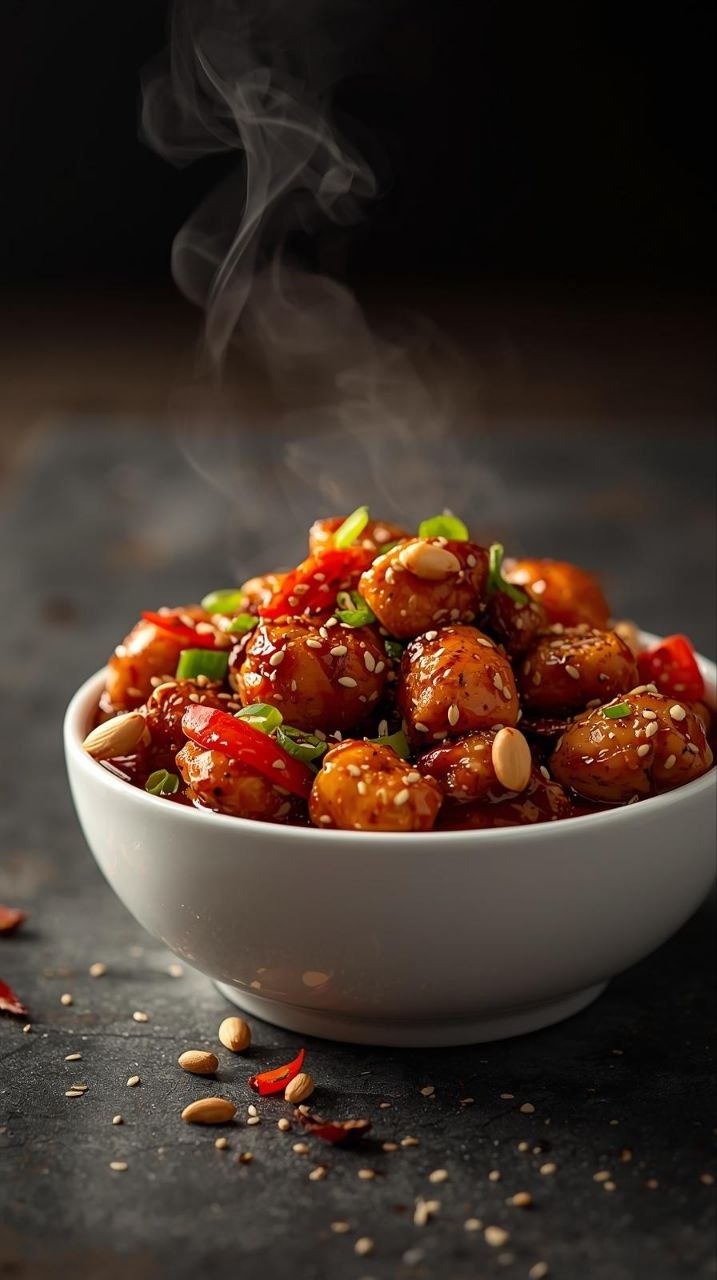
Once the sauce coats everything nicely, I add the peanuts and green onions and give it one final stir. At this point, I turn the heat down and let it simmer for a minute or two to let the flavours settle.
The smell at this stage is savoury, slightly sweet, and warming. It’s the point where people start wandering into the kitchen asking when supper will be ready.
Real-Life Cooking Mistakes (And How to Fix Them)
I’ve made all of these at least once:
- Sauce too thick – Add a splash of water or broth and stir gently over low heat.
- Chicken too dry – Next time, cut slightly larger pieces and don’t overcook in the first stage.
- Burnt garlic – Lower the heat and start again. There’s no saving burnt garlic.
- Too spicy – Add extra vegetables or a bit more sugar and serve with plenty of rice.
- Watery sauce – Let it simmer a bit longer, or mix a small amount of cornstarch with cold water and stir it in.
- Sticking to the pan – The pan wasn’t hot enough or needed more oil. Scrape gently and keep going.
None of these are disasters. They’re just part of cooking.
Feeding the Family & Leftover Logic
I serve kung pao chicken over plain steamed rice. For adults, about 1 to 1½ cups of cooked rice per person is usually right. For kids, a bit less.
If I’m stretching it, I add a side of steamed broccoli or frozen edamame. It makes the meal feel more complete without much extra cost.
Leftovers are excellent. The flavours deepen overnight, and the sauce thickens slightly. I reheat it gently in a pan with a splash of water, or in the microwave covered loosely so it doesn’t dry out.
Leftover ideas:
- Spoon over rice for lunch
- Wrap in a tortilla for a quick wrap
- Stir into leftover noodles
- Add extra broth and turn it into a quick soup
Variations for Different Days
The Busy Day Version
Use frozen chopped peppers, jarred ginger, and pre-cut chicken. Dinner is on the table fast.
The Sunday Version
Marinate the chicken longer, toast the peanuts, and add extra vegetables. Let it simmer gently for a deeper flavour.
Cold-Weather Stretch Version
Add extra vegetables and serve with more rice to make it go further.
Lower-Sodium Version
Use low-sodium soy sauce and add extra vinegar and ginger for flavour.
Peanut-Free Version
Skip the peanuts and add extra vegetables or sesame seeds.
Common Questions (Neighbourly FAQ)
Can I make this ahead?
Yes. It keeps well for 3–4 days in the fridge.
Can I freeze it?
You can, though the vegetables soften. Still good for busy nights.
Is it very spicy?
It’s adjustable. Start mild and add heat as needed.
What if I don’t have rice vinegar?
White or apple cider vinegar works fine.
Can I use pork or tofu?
Yes. Both work well with the same sauce.
Is this kid-friendly?
Absolutely, especially if you go easy on the chilies.
Closing (Grounded Reassurance)
This kung pao chicken keeps earning its place because it’s dependable. It works on long weeks, it stretches into leftovers, and it doesn’t ask much of you beyond a bit of chopping and attention at the stove.
It’s the kind of recipe that builds confidence quietly. You make it once, then again, and before long it’s just something you know how to do. And on cold nights, when the house needs warming and everyone needs feeding, that matters.
Recipe Card: Kung Pao Chicken
Prep Time: 20 minutes
Cook Time: 20 minutes
Total Time: 40 minutes
Servings: 4
Calories: ~450 per serving (varies with rice and peanuts)
Ingredients
- 450–500 g boneless chicken thighs or breasts
- 2 tbsp soy sauce
- 1 tbsp cornstarch
- 2 tbsp oil
- 2–3 cloves garlic, minced
- 1 tbsp ginger, minced
- 2–3 dried red chilies or ½–1 tsp chili flakes
- 1 bell pepper, chopped
- 2 green onions, sliced
- ⅓ cup roasted peanuts
Sauce:
- 3 tbsp soy sauce
- 1½ tbsp vinegar
- 1½ tbsp sugar
- ½ cup water
- 1 tsp cornstarch
Method
- Cut chicken into bite-sized pieces and toss with soy sauce and cornstarch.
- Mix all sauce ingredients in a bowl and set aside.
- Heat oil in a pan over medium-high heat.
- Cook chicken until lightly browned. Remove and set aside.
- Add chilies, garlic, and ginger to the pan. Cook briefly.
- Add vegetables and stir-fry until tender-crisp.
- Return chicken to pan and pour in sauce.
- Cook, stirring, until sauce thickens.
- Stir in peanuts and green onions. Serve hot over rice.
This is the kind of food that keeps a kitchen running through long seasons. Nothing fancy. Just solid, warming, and worth making again.