Jamaican Jerk Seasoning: 6 Effortless Fixes for Grey, Bold-Flavor-Needing, Budget-Friendly Days
The Comfort Intro (Short & Sweet)
Jamaican jerk seasoning might not be the first thing you think of on a chilly Canadian evening, but in our house, it’s become a quiet staple. I keep a jar tucked beside the salt and pepper, ready to wake up a tray of chicken thighs or a pot of beans.
It was a grey Tuesday the first time I mixed up my own Jamaican jerk seasoning. Wind rattling the kitchen window, leftover rice in the fridge, and not much in the way of fresh herbs. I needed something bold to stretch what we had. That little mix of pantry spices turned plain chicken into something that felt like we’d planned it all along.
Since then, this homemade Jamaican jerk seasoning has earned its place. It’s affordable, reliable, and turns a simple hearty family dinner into something with depth and warmth — without a single fancy ingredient.
Why It Works
I’m always thinking in practical terms: cost, leftovers, and whether something holds up the next day. Jamaican jerk seasoning works on all three.
First, it’s affordable. Most of the spices — dried thyme, paprika, garlic powder, onion powder, allspice — are pantry staples. Even if you’re buying them fresh, they last months. A small jar of homemade Jamaican jerk seasoning costs a fraction of those little premade packets. When I break it down, it’s often under $1 for enough seasoning to flavour two full family meals.
Second, it stretches simple ingredients. A budget pack of chicken legs, a pork shoulder bought on sale, or even a tray of roasted potatoes can be transformed with this seasoning. It makes humble food taste intentional.
Third, it reheats beautifully. Jerk chicken or jerk pork the next day? Even better. The spices deepen overnight. That’s important in a house where leftovers are not optional — they’re tomorrow’s lunch.
And finally, for long winter months, bold spice brings warmth. There’s something about the combination of allspice, thyme, and a bit of heat that feels comforting when it’s -20°C outside. It’s easy comfort food Canada style — sturdy, filling, and dependable.
Pantry & Fridge Reality (Ingredients)
When I make Jamaican jerk seasoning, I’m not chasing authenticity to the letter. I’m making something practical and flavourful with what’s available at a regular grocery store.
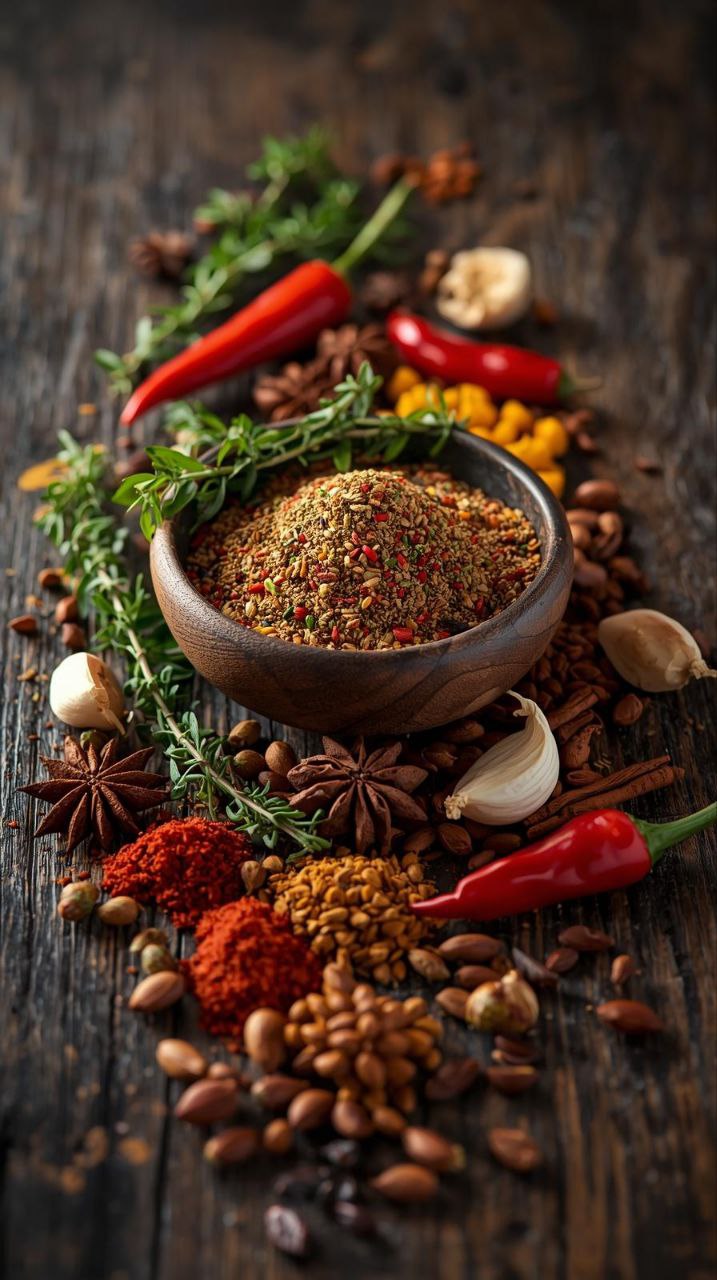
Here’s what usually goes into my jar:
- Brown sugar – Adds balance and helps with caramelization.
- Dried thyme – Earthy and essential.
- Ground allspice – This is key. It gives jerk its distinctive warmth.
- Smoked paprika – For depth and colour.
- Garlic powder – Because fresh garlic doesn’t keep long in winter.
- Onion powder – For background savoury flavour.
- Ground ginger – Warm and subtle.
- Cinnamon (just a pinch) – Not sweet, just warmth.
- Nutmeg (optional) – I use it if I have it.
- Cayenne pepper – For heat. Adjust to your household’s tolerance.
- Black pepper – Always.
- Salt – I include some, but not too much, so I can adjust per dish.
If the store is out of allspice — which happens — I’ve made do with a mix of cinnamon, nutmeg, and cloves. Not perfect, but close enough for a weeknight.
If brown sugar is low, I’ve stirred a spoonful of white sugar with a splash of molasses. That “make-do-and-mend” mindset has saved many dinners.
Buying spices in bulk bins or larger containers at Costco or a local bulk shop brings the cost per serving down considerably. I refill my small jars and keep the rest sealed tight in a cool cupboard.
One batch of Jamaican jerk seasoning usually flavours:
- 2–3 pounds of chicken
- Or a full tray of roasted vegetables
- Or a big pot of beans
That’s a proper budget-friendly meal.
The Cooking Journey (Experience-Based Narrative with Embedded Guidance)
When I use Jamaican jerk seasoning, it’s most often on chicken thighs or drumsticks. Affordable, forgiving, and flavourful.
Prep: Setting Things Up
First, I start by clearing a bit of counter space and lining a baking sheet with parchment. I preheat the oven to 400°F. Not too hot — I’ve learned the hard way that higher heat can burn the sugar in the seasoning before the chicken cooks through.
I pat the chicken dry with paper towel. That’s important. If it’s wet, the seasoning turns pasty instead of forming a proper crust.
Then I drizzle a little oil over the chicken. Just enough to coat. After that, I sprinkle the Jamaican jerk seasoning generously on both sides. I press it in gently with my hands. You want it to stick.
If I have time — even 30 minutes — I let it sit in the fridge. The smell of thyme and allspice already starts to come forward.
Cooking: Watching, Listening, Adjusting
Once the oven is hot, I slide the tray in. The kitchen starts to smell warm within ten minutes — that mix of spice and browning sugar.
Halfway through cooking, I check the underside. If it looks pale, I turn on convection for the last 10 minutes to crisp it up. If it’s browning too quickly, I lower the temperature slightly.
I listen for that gentle sizzle. Too aggressive, and it’s burning. Too quiet, and it’s steaming.
After about 35–45 minutes, depending on size, the chicken should reach 165°F internally. The skin will be dark, almost mahogany, but not black.
Real-Life Mistakes (And Fixes)
- Burning the sugar
The first time I made Jamaican jerk seasoning on chicken, I cranked the oven to 425°F. The sugar scorched. Now I stick to 375–400°F and watch closely. - Too salty
If you add too much salt to the seasoning and then salt the meat again, it’s hard to fix. I keep salt moderate in the mix and adjust later. - Too spicy for the kids
I’ve made it too hot. Now I split the batch — one milder, one with extra cayenne for the adults. - Dry chicken
Boneless skinless breasts can dry out quickly. I reduce cooking time and sometimes cover loosely with foil halfway through. - Seasoning falling off
That happens when the meat is wet. Always pat dry first. - Not enough flavour
Be generous. A light dusting won’t do. Jamaican jerk seasoning needs a proper coating.
Finishing Touches
Once out of the oven, I let the chicken rest 5–10 minutes. The juices settle. The spices deepen.
Sometimes I squeeze a bit of lime over top if I have one. Not essential, but nice.
Feeding the Family & Leftover Logic
In our house, I serve jerk chicken with rice and peas or simple steamed rice. Sometimes roasted carrots on the side — something sweet to balance the heat.
Portion-wise:
- 1–2 pieces per adult
- 1 piece per child
- Extra rice for those still growing
Leftovers are gold.
The next day, I shred the chicken and tuck it into wraps with coleslaw. Or I chop it into a pot of soup. Jamaican jerk seasoning in soup on a cold day is surprisingly comforting.
Reheating tip: Warm gently in a covered pan with a splash of water so it doesn’t dry out.
Variations for Different Days
The Busy Day Version
Use store-bought rotisserie chicken. Sprinkle Jamaican jerk seasoning over shredded meat and warm it in a pan with a bit of oil.
The Sunday Version
Rub a whole chicken generously with Jamaican jerk seasoning and slow-roast at 325°F for a few hours. The house smells wonderful all afternoon — a slow-cooker favourite for winter nights.
The Summer BBQ Version
Use the seasoning as a dry rub for grilled chicken or pork chops.
The Vegetarian Version
Toss chickpeas or firm tofu in oil and jerk seasoning. Roast until crisp. Budget-friendly and filling.
The Mild Winter Stew Version
Add a tablespoon of Jamaican jerk seasoning to a pot of beans or lentils. It brings warmth without needing fresh herbs.
Common Questions (Neighbourly FAQ)
Is Jamaican jerk seasoning very spicy?
It can be, but you control the heat. Start small with cayenne.
How long does homemade seasoning last?
Up to 6 months in a sealed jar in a cool cupboard.
Can I use it on vegetables?
Absolutely. Roasted potatoes with Jamaican jerk seasoning are surprisingly good.
Does it work in a slow cooker?
Yes. Rub onto chicken thighs and cook low for 6–7 hours.
Is it authentic?
It’s a home cook’s version. Practical and accessible.
Can I freeze meat with it already on?
Yes. Season first, then freeze. It marinates as it thaws.
What if I don’t have allspice?
Use a pinch of cinnamon and nutmeg together.
Closing (Grounded Reassurance)
Jamaican jerk seasoning keeps earning its place in my cupboard because it’s dependable. It turns simple ingredients into a hearty family dinner without extra cost or fuss.
On long weeks, when the weather feels endless and groceries feel expensive, having a jar of something reliable matters. This is easy comfort food Canada style — steady, warming, and built on pantry staples.
If you’re building confidence in your kitchen, start with something like this. A simple mix of spices, used well, can carry you a long way.
Recipe Card: Homemade Jamaican Jerk Seasoning
Prep Time: 10 minutes
Cook Time: 0 minutes
Total Time: 10 minutes
Servings: Enough for 2–3 family meals (about ½ cup seasoning)
Calories: Approx. 15 calories per tablespoon (varies by sugar content)
Ingredients
- 2 tablespoons brown sugar (budget tip: buy in 2 kg bags for savings)
- 1 tablespoon dried thyme
- 1 tablespoon ground allspice
- 1 tablespoon smoked paprika
- 2 teaspoons garlic powder
- 2 teaspoons onion powder
- 1 teaspoon ground ginger
- ½ teaspoon cinnamon
- ¼ teaspoon nutmeg (optional)
- ½–1 teaspoon cayenne pepper (adjust to taste)
- 1 teaspoon black pepper
- 1–1½ teaspoons salt
Method
- Measure all spices into a medium bowl.
- Whisk thoroughly until evenly combined.
- Taste a small pinch and adjust salt or heat if needed.
- Transfer to a clean, airtight jar.
- Store in a cool, dark cupboard for up to 6 months.
- Use 1–2 tablespoons per pound of meat or vegetables.
To Make Jerk Chicken:
- Preheat oven to 400°F.
- Pat 2–3 pounds chicken dry.
- Rub lightly with oil.
- Coat generously with Jamaican jerk seasoning.
- Bake 35–45 minutes until internal temperature reaches 165°F.
- Rest 5–10 minutes before serving.
This Jamaican jerk seasoning has become one of those steady kitchen companions I rely on. It’s affordable, adaptable, and always delivers a budget-friendly meal that feels just a little special — even on a grey Tuesday.